Case Studies
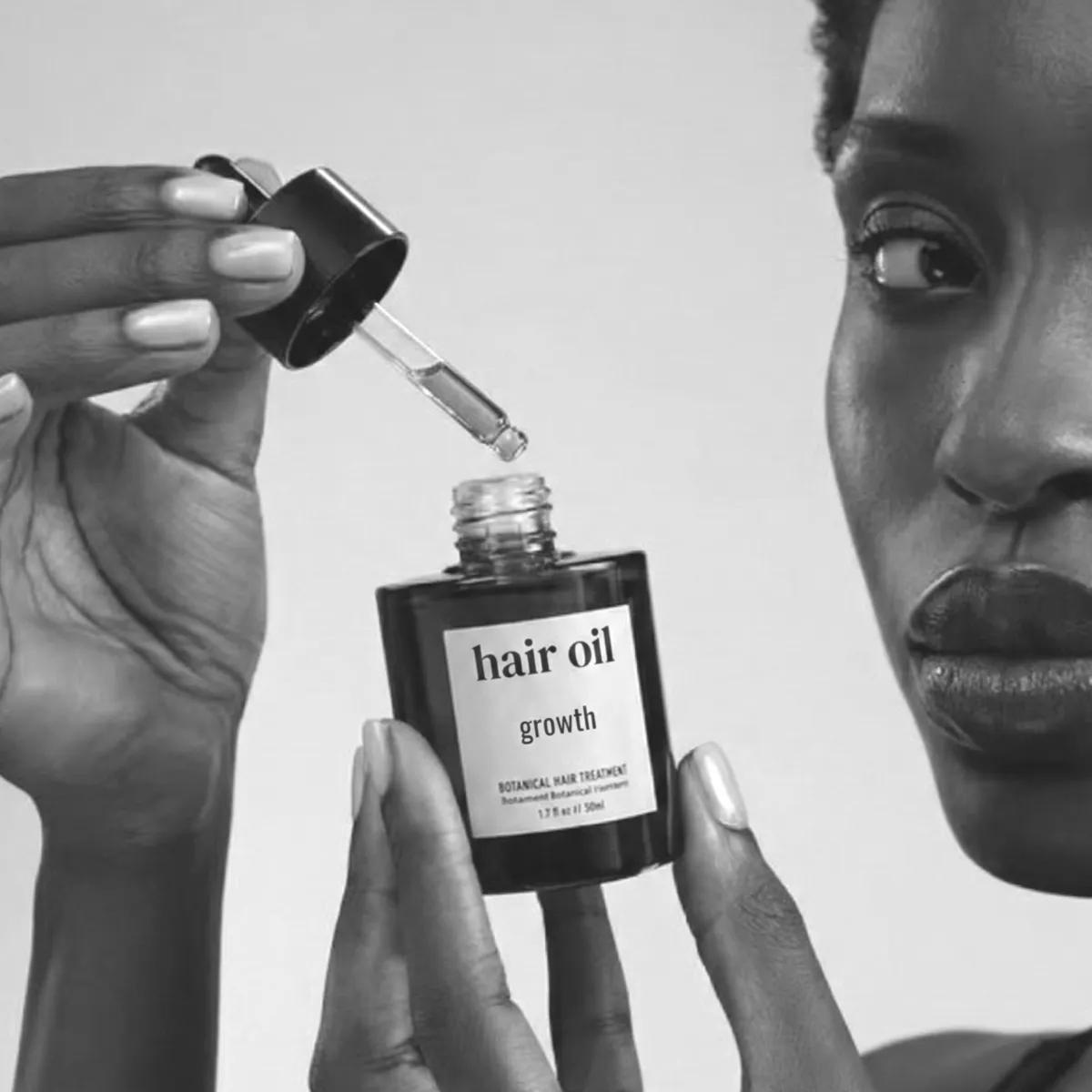
Turning $1M in Ad Spend Into $4.3M in Revenue for a Hair Oil Brand
About The Brand
This Hair Oil Brand is a clean, botanical haircare line rooted in a family-inspired tradition of scalp and hair nourishment. Born from a cherished recipe focused on natural, plant-based ingredients, the brand’s hero product is a botanical hair oil formulated to promote healthy hair growth, strengthen strands, and support scalp health. Its products are vegan, cruelty-free, and formulated using sustainably sourced botanicals.
The Challenge
Before taking over paid advertising management in May, this Hair Oil Brand was facing typical early-stage e-commerce challenges:
- Limited revenue (just over $1M annually).
- Under-optimized campaign structures with siloed platform strategies.
- Low daily sales and insufficient scaling across acquisition channels.
- Minimal visibility in broader retail channels.
Paid Media Overview
Timeframe Under Management: 8 Months (May – present)
Total Spend: $1,032,000
- Google Ads: $200,000
- Meta (Facebook & Instagram): $671,000
- TikTok Ads: $161,000
Revenue Generated: $4,300,000
Marketing Efficiency Ratio (MER): 4.17×
(Revenue ÷ Total Ad Spend)
Key Performance Highlights (vs. Previous Year)
| Metric | Before | After (8 Months) |
| Total Revenue | >$1M | $4.3M |
| Ad Spend | ~$120K annual | $1,032,000 |
| New Customers | Baseline | +450% increase |
| nCAC (New Customer Acquisition Cost) | — | +$9 only |
| Daily Sales | ~$1,800/day | $22,000/day |
| Daily Sessions | 1,450 | 5,700 |
| New Customers / Month | 640 | 9,300 |
| Conversion Rate | 3.16% | 4.13% |
Where They Started vs. Where We Are Now
Sales & Traffic
- Daily sales grew from ~$1,800 to ~$22,000 - more than a 12× improvement.
- Daily website sessions rose from ~1,450 to ~5,700, suggesting stronger brand interest and traffic quality.
Customer Growth
- New customers jumped from ~640 to ~9,300 monthly, reflecting both increased reach and optimized audience targeting.
Conversion Improvement
- Conversion rate improved from 3.16% to 4.13%, demonstrating stronger website performance and campaign alignment.
Retail Expansion
- Hair Oil Brand has moved beyond early small retail presence to securing placements in major retailers across the country, validating brand credibility and omnichannel demand (leveraging ad success to support wholesale growth).
What Changed: Strategy That Drove Results
1. Streamlined, Funnel-Focused Campaigns
Campaigns were restructured to target audiences based on intent:
- Awareness → Consideration → Conversion
- Reduced waste from broad, non-strategic targeting.
2. Google Beyond Brand-Only Targeting
The previous approach heavily leaned on brand search terms; we expanded to high-intent, performance-based search audiences to increase new customer acquisition and product discovery.
3. Integrated Meta + Google Ecosystem
Rather than letting Meta and Google operate in silos:
- Meta campaigns fueled broad interest and retargeting.
- Google captured high-intent shoppers.
- Each platform supported the other to create a cohesive user journey.
4. Continuous Website & Conversion Optimization
Regular audits surfaced friction points, enabling improvements in checkout flow, page experience, and messaging that increased conversion rate.
5. Leveraging Advanced Third-Party Creative Tools
Identified top-performing audience segments and creative formats using enhanced analytics tools, optimizing for engagement and performance rather than generic output.
6. TikTok as a Strategic Channel
Once Meta and Google were stabilized, TikTok was activated as a brand discovery and engagement engine, capturing younger, high-potential audiences.
What Most Brands Get Wrong When Scaling Paid Advertising
They Move Too Fast
Without validating winning elements first, brands rush to scale and end up spending inefficiently.
They Add Platforms Too Early
Spreading budgets thin across too many platforms without mastering core channels dilutes performance.
They Measure Platforms in Silos
Failing to view platforms as parts of an interconnected system leads to misaligned performance data and strategy.
They Don’t Analyze Winning Elements Beyond Sales
Creative resonance, audience subsets, and behavioral signals are often overlooked when focusing strictly on last-click metrics.
They Follow Cookie-Cutter Strategies
Templates and playbooks rarely fit unique brand stages; haircare DTC requires tailored acquisition and retention frameworks.
Key Takeaways
Hair Oil Brand’s paid media transformation demonstrates how strategic focus, optimized funnel structure, and cross-platform coordination can unlock exponential growth, scaling revenue from a modest base to over $4.3M with profitable acquisition and an efficient MER of 4.17× in only eight months.

How Northern Edge Turned $125K Ad Spend Into $550K Revenue for This Luxury Shoe Brand
This luxury women's shoe brand makes handcrafted designer shoes. They sell bow-style pumps, sandals, and boots in over 50 countries. The company has been doing business for over 12 years, and has a strong reputation for bold, feminine designs and quality craftsmanship.
However, they had been losing money every year since 2021, with each year performing worse than the previous one.
In this case study, we’ll show you how Northern Edge rebuilt their digital marketing approach, returning $4.40 for every $1 they spent.
Case Study Metrics:
- Date Range: June 1 - September 17, 2025
- Ad Spend: $125,000
- Generated Revenue: $550,000
- Media Efficiency Ratio (MER): 4.4x
- Average Order Value (AOV): $670
- New Customer Acquisition Cost (NCAC): $450
- Revenue Increase: 23% year-over-year
- Geographic Location: USA-based, targeting USA, Canada, UK, Australia, UAE
The Challenge
Getting more first-time buyers is critical for luxury retailers. It's the only way to scale this type of business profitably. Because premium brands have high average order values, consistently capturing new interest is a major needle-mover for continuous growth.
When the client reached out to us, they faced several challenges that threatened their business survival. After looking at their campaigns, we found these critical issues:
- They used traffic campaigns on Meta instead of conversion campaigns. This created high session numbers but very low conversion rates of just 0.03%.
- Their new customer acquisition cost was too high, while the quality of new users stayed poor, making their business model impossible to sustain.
- The business relied heavily on repeat customers for revenue, which stopped them from growing beyond their current market reach.
- Past management made decisions based solely on platform metrics instead of actual revenue by product.
- They ran both Meta Ads and Google Ads as top-of-funnel platforms simultaneously without a strategic plan, resulting in audience overlap that ultimately wasted ad spend.
The Solution
After taking over the account, our team used a completely different approach based on our own proven e-commerce advertising strategies and specific campaign optimizations.
Campaign Fix: We changed from traffic-based campaigns to conversion-focused campaigns. This improved the quality of traffic we brought in and helped reduce overall sessions from over 100,000 weekly sessions to 13,000 highly-qualified sessions.
Audience Strategy: We used smart exclusion targeting to stop campaigns from targeting existing customers. This made the algorithm focus our budget on real new customer opportunities.
Data-Based Product Focus: We analyzed historical performance data to identify the 3-4 products that generated 80% of the revenue. We put the majority of our budget on these high-performing products.
Creative Strategy: We collaborated with the client to identify and utilize creative styles that resonated best with their target audiences. We measured this through CPM performance, click-through rates, and purchase volume connections.
Pricing Strategy Change: We developed acquisition methods that employed less aggressive discounting, successfully targeting qualified customers who would purchase at full price, and saving the company almost $20,000 in discounted prices.
Platform Integration: After building a strong Meta Ads performance, we brought back Google Ads, but without the audience overlap, this maximized efficiency across both platforms.
The Results
The strategic rebuild created significant improvements across all key performance indicators:
Revenue Performance:
Sales grew by 23% compared to the same time last year. This was the first time the business had grown since 2021. Even better, first-time customer sales went up by 37%. This meant we were actually bringing in new customers, not just getting existing ones to spend more.
- 23% increase in total sales compared to last year's same period
- 37% increase in first-time customer sales
- $100,000+ in extra revenue
Efficiency Improvements:
The conversion rate went up by 348%, going from 0.03% to 0.25% in just the first week. We also cut sessions by 72% while keeping the same revenue - which meant much better traffic quality. Meta Ads sales alone grew by 200%.
- 348% increase in conversion rate (from 0.03% to 0.25%)
- 200% increase in Meta-attributed sales
- 72% reduction in sessions while keeping revenue (huge quality improvement)
Business Health Metrics:
Returns dropped by 10%, which shows customers were happier with their purchases. We cut discounts by 42%, recovering nearly $20,000 that unnecessary promotions had been wasting. Average Order Value went up by 9%, and the returning customer rate dropped by 20%––another sign that we were successfully bringing in new customers.
- 42% reduction in discount dependency
- 10% decrease in product returns
- 9% increase in Average Order Value
- 20% decrease in returning customer rate
Looking Ahead
The strategic framework we implemented—focusing on conversion optimization, audience quality, product performance analysis, and multi-platform integration—has created a scalable system that continues to deliver consistent results. The client has not only recovered from years of revenue decline but has established the foundation for continued expansion in the luxury footwear market. With ongoing weekly optimization and strategic planning, this luxury shoe brand is now positioned for long-term success in an increasingly competitive market.